
How to Keep Content Fresh Without Playing Games With Dates
Published May 29, 2026 by Editorial Team
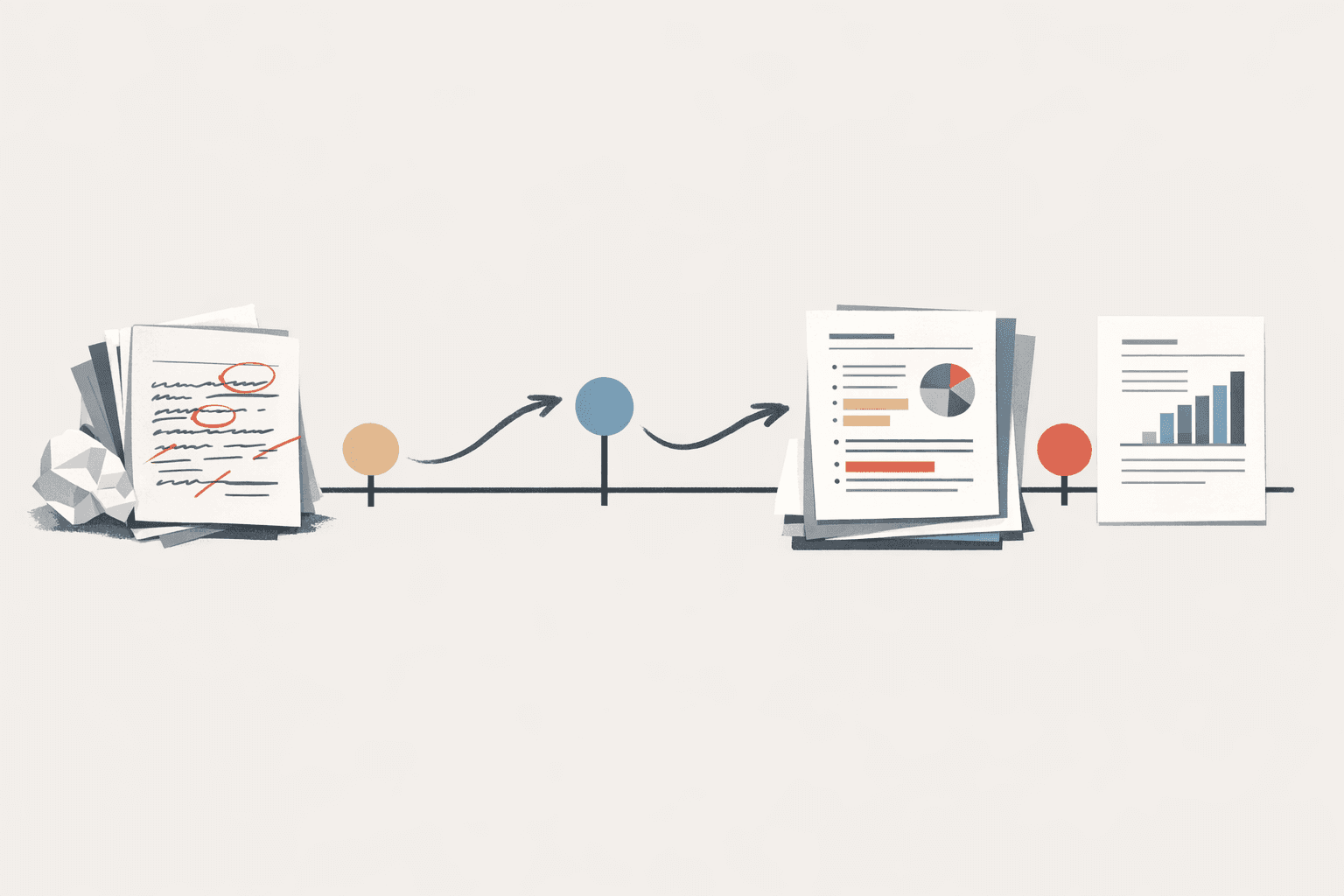
One of the easiest ways to damage content quality is to confuse freshness with activity.
Teams see an old date on a page, get nervous, and start "refreshing" content in ways that are more theatrical than useful. They bump publish dates. They swap a few lines. They add or remove sections across the site because they think Google wants to see motion. They turn maintenance into stagecraft.
Google’s own guidance is unusually direct about this. In its people-first content documentation, Google asks site owners whether they are changing page dates to make content seem fresh when it has not substantially changed, or adding and removing content primarily because they believe it will make the site seem fresh overall. Google’s answer to that second idea is explicit: it will not help. (Creating helpful, reliable, people-first content | Google Search Central)
That is the thesis for this article:
content freshness is earned through meaningful maintenance, not date manipulation.
What Google Actually Warns Against
The most useful part of Google’s helpful content guidance is that it does not leave this issue vague. Among its warning signs of search-engine-first behavior are:
- changing the date of pages to make them seem fresh when the content has not substantially changed
- adding a lot of new content or removing a lot of older content primarily to make a site seem fresh overall
Google places those behaviors in the category of things that should make a team reevaluate why it is creating content in the first place. The underlying standard is people-first usefulness, not visible motion for its own sake. (Creating helpful, reliable, people-first content | Google Search Central)
That matters because a lot of content programs drift into fake maintenance habits:
- updating dates on evergreen posts without adding meaningful new information
- rewriting intros to create the appearance of a refresh
- deleting older pages just to make the site look more current
- splitting barely updated material into "new" URLs so it can wear a fresh date
None of that is the same thing as improving the page.
Freshness Is About New Value, Not New Paint
The practical question is not "How do we make this look newer?"
It is "What has changed for the reader?"
Google’s date guidance is helpful here because it ties dates to the page’s real publication or update history. Google says a byline date is its estimate of when a page was published or updated, and it uses several signals rather than trusting one field blindly. Google recommends visible dates, structured data such as datePublished and dateModified, and consistency between what users see and what machines read. (Influence your byline dates in Google Search | Google Search Central, Help Google Search know the best date for your web page | Google Search Central Blog)
That guidance only makes sense if the dates themselves mean something.
A page is genuinely fresher when it has:
- new facts, examples, or analysis
- corrected errors or outdated assumptions
- materially improved recommendations
- revised screenshots, workflows, or product details that reflect the current reality
- additional context that makes the original page more useful than it was before
A fresher timestamp without fresher substance is just mislabeled inventory.
When It Does Make Sense to Change the Date
This is where teams often overcorrect. The answer is not "never update dates."
Google’s guidance says that if a page or article has been substantially or significantly updated, it can make sense to use a fresh date or update date. Google also recommends showing a visible update date when a page has been significantly revised, and keeping that information consistent with structured data. (Help Google Search know the best date for your web page | Google Search Central Blog, Influence your byline dates in Google Search | Google Search Central)
So the practical rule is:
- keep the original publish date when the page is basically the same piece
- add or revise a last-updated date when the page has been materially improved
- do not relabel a page as new because you want a newer-looking snippet
If both dates are useful, show both. Google explicitly says you can provide a publication date and a last updated date, as long as they are clear to readers and supported consistently in markup. (Influence your byline dates in Google Search | Google Search Central, Help Google Search know the best date for your web page | Google Search Central Blog)
Honest Date Handling Is a Trust Signal
The deeper problem with fake freshness is not only that Google warns against it. It is that readers notice it too.
A page marked as recently updated creates an expectation. If the examples are stale, the screenshots are old, the recommendations are clearly out of date, or the body text has not meaningfully changed, the date turns into a trust problem.
That is why honest date handling is part of content quality, not just technical SEO. Google’s people-first guidance stresses usefulness, reliability, and trust, and it also asks whether content is produced with care and whether it presents information in ways that make readers want to trust it. Artificial freshness works against that. (Creating helpful, reliable, people-first content | Google Search Central)
The best maintenance teams treat dates as editorial metadata, not persuasion tactics.
The Better Way to Keep Content Fresh
If you want content to stay current without playing games, the operating model is straightforward.
1. Audit for substance, not age alone
An old page is not automatically a weak page. Some evergreen pages remain highly useful for years with only occasional revision. The real question is whether the page still matches current reality and still solves the reader’s problem well.
A practical audit asks:
- Is the core advice still correct?
- Are the examples still current?
- Have the tools, product details, policies, or market conditions changed?
- Would a first-time reader leave satisfied today?
That last question mirrors Google’s people-first framing closely. (Creating helpful, reliable, people-first content | Google Search Central)
2. Update deeply when you update at all
If a page needs work, do enough work for the improvement to matter.
Useful updates often include:
- replacing outdated claims with current ones
- expanding thin sections with actual analysis
- removing advice that no longer applies
- improving internal links so the page fits the current site structure
- revising examples, screenshots, and references so the page reflects reality
A meaningful update changes the reader’s outcome, not just the changelog.
3. Preserve the page when the page still deserves to exist
Google’s blog guidance specifically warns against creating a very slightly updated version of an article, deleting the older one, and redirecting to the new URL just to manufacture freshness. (Help Google Search know the best date for your web page | Google Search Central Blog)
That is a useful reminder that freshness does not require needless URL churn. If the existing page is still the right home for the topic, improve that page. Preserve its equity, its links, its history, and its place in your information architecture.
New URLs should exist because there is a genuinely new page to publish, not because the calendar feels uncomfortable.
4. Be precise with visible dates and markup
Google recommends showing a clear, prominent user-visible date and using structured data to specify datePublished and dateModified when applicable. It also recommends that visible dates and structured data match, that dates describe the page’s publication or update date rather than the event discussed on the page, and that you avoid future dates. (Influence your byline dates in Google Search | Google Search Central, Learn About Article Schema Markup | Google Search Central)
That means date maintenance is partly editorial and partly technical:
- the visible label should be clear, such as "Published" or "Last updated"
- the date in the template should match the date in structured data
dateModifiedshould reflect a real modification, not a cosmetic save
A minimal pattern looks like this:
{
  "@context": "https://schema.org",
  "@type": "BlogPosting",
  "datePublished": "2026-05-29T09:00:00+00:00",
  "dateModified": "2026-05-29T09:00:00+00:00"
}
The important part is not the schema block itself. It is whether those values are honest.
5. Reduce noise around dates
Google also notes that if the wrong dates are being interpreted, one troubleshooting step is to minimize unrelated dates on the page. (Influence your byline dates in Google Search | Google Search Central, Help Google Search know the best date for your web page | Google Search Central Blog)
This is a small detail, but a useful one. Sites often surround articles with sidebars, related-post modules, and interface elements full of competing timestamps. If your real publication or update date is important, make it clear and do not bury it inside a crowd of other dates.
A More Defensible Freshness Policy
For teams that publish often, it helps to formalize the rule.
A defensible policy looks like this:
- do not change a page’s visible date unless the content changed materially
- do not create replacement URLs for minor refreshes
- do not remove older content just to simulate overall site freshness
- use publish dates and updated dates as factual metadata, not marketing devices
- prioritize pages for refresh based on usefulness gaps, not embarrassment about age
This keeps the maintenance program aligned with the page’s purpose rather than with superstition about what search engines want.
Bottom Line
If a page has substantially improved, say so and update the date accurately. If it has not, do not pretend it has.
Google’s guidance is not anti-maintenance. It is anti-performance. The company explicitly warns against changing dates to make pages seem fresh when they are not, and against adding or removing content just to create a freshness signal. At the same time, it gives clear guidance for showing publish and update dates honestly when a page has truly changed. (Creating helpful, reliable, people-first content | Google Search Central, Influence your byline dates in Google Search | Google Search Central, Help Google Search know the best date for your web page | Google Search Central Blog)
That is the right standard for keeping content fresh.
Improve the page.
Keep the dates honest.
Let freshness be the result of better content, not the costume.