
Blog

Accessibility as SEO Maintenance: The Overlooked Skill That Improves UX and Findability
May 24, 2026
Accessibility is not just a compliance concern or a specialist audit category. As an ongoing maintenance skill, it improves how pages are read, navigated, and interpreted across assistive tech, mobile devices, and search systems, which makes basics like alt text, headings, link text, keyboard access, contrast, and readable structure worth treating as routine SEO upkeep.

Parsing vs Validating with Zod
May 22, 2026
The useful shift in client-side form handling is not just validating raw inputs, but parsing them into trusted application state before submission. Zod makes that boundary practical, which improves data quality, sharpens error handling, and gives users a cleaner path through complex forms without confusing client-side checks for real security.

What Does the New Google Search Box Mean For Your Website?
May 20, 2026
Google’s new Search box is not just a visual refresh. It pushes Search further toward a prompt-first, multimodal, follow-up-driven interface, which means websites need to be clearer, more crawlable, more text-legible, and more useful as supporting destinations when Google handles more of the query refinement itself.

Type Safety Doesn't Prevent Bad Assumptions
May 18, 2026
Typed code is still a major engineering advantage, but it does not prove that external data is valid, async work will settle cleanly, or optional values were handled honestly. The strategic move is to keep the benefits of TypeScript while treating runtime boundaries, validation, and degraded states as first-class product concerns.

The Latest Numbers on Organic Search
May 14, 2026
Organic search is under real pressure, but the latest research does not support a single clean story. The strongest evidence points to declining clicks on informational queries and publisher traffic, while broader aggregate search traffic appears more mixed. The practical response is to stop optimizing for raw blue-link volume alone and build for citations, qualified clicks, and branded demand.

LCP in 2026: How to Keep Your Pages Under 2.5 Seconds
May 13, 2026
Hitting a good LCP in 2026 is less about chasing a score and more about managing a strict loading budget: fast HTML, immediate discovery of the main content, a small LCP resource, and very little delay between load completion and render.

The Complete Picture on Agentic Keyword Research
May 10, 2026
Agentic keyword research is best understood as a new operating layer on top of classic keyword research, not a replacement for it. The real advantage is not that agents invent better keywords from nowhere, but that they can search, compare, cluster, and prioritize across more inputs faster than a manual workflow.

Tips for Landing in Google's Rich Snippets
May 8, 2026
Landing in Google's rich snippets is less about sprinkling schema everywhere and more about making the right page eligible for the right feature. The durable playbook is to use supported markup, match visible content, satisfy feature-specific guidelines, and validate the full crawl-to-render path.

The Current State of Search Engines: Which Ones Matter and How to Perform Across Them
May 7, 2026
Search is not as fragmented as the market conversation makes it sound. Google still dominates, Bing matters more than many teams admit, and most smaller engines either inherit from larger indexes or matter as strategic niche channels rather than standalone traffic giants.
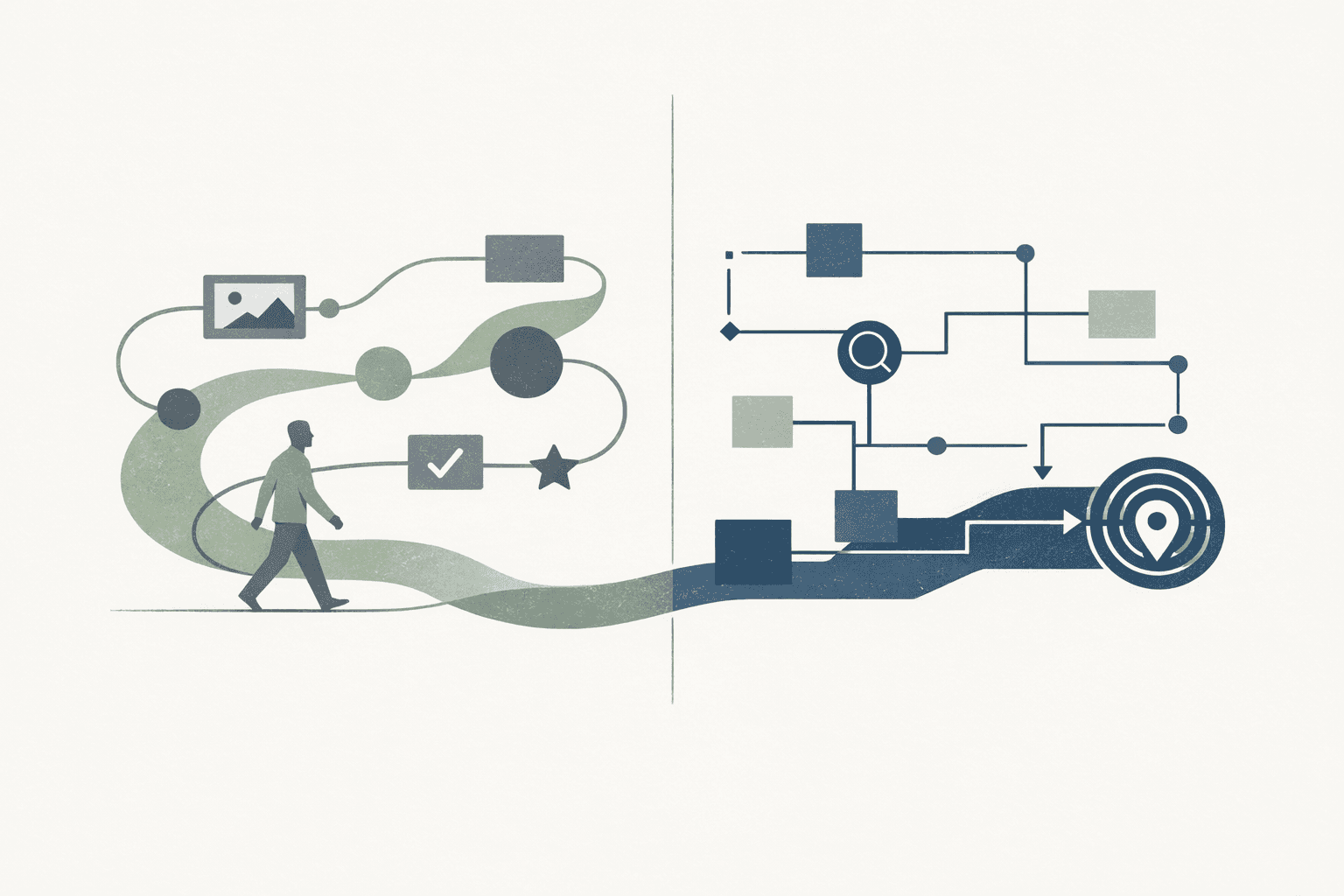
Websites Built for Humans Only Will Lose to Websites Built for Humans and Agents
May 5, 2026
The next visibility advantage will not come from abandoning human-centered design. It will come from building sites that still serve people well while making navigation, meaning, and actions far easier for machines to discover and use.